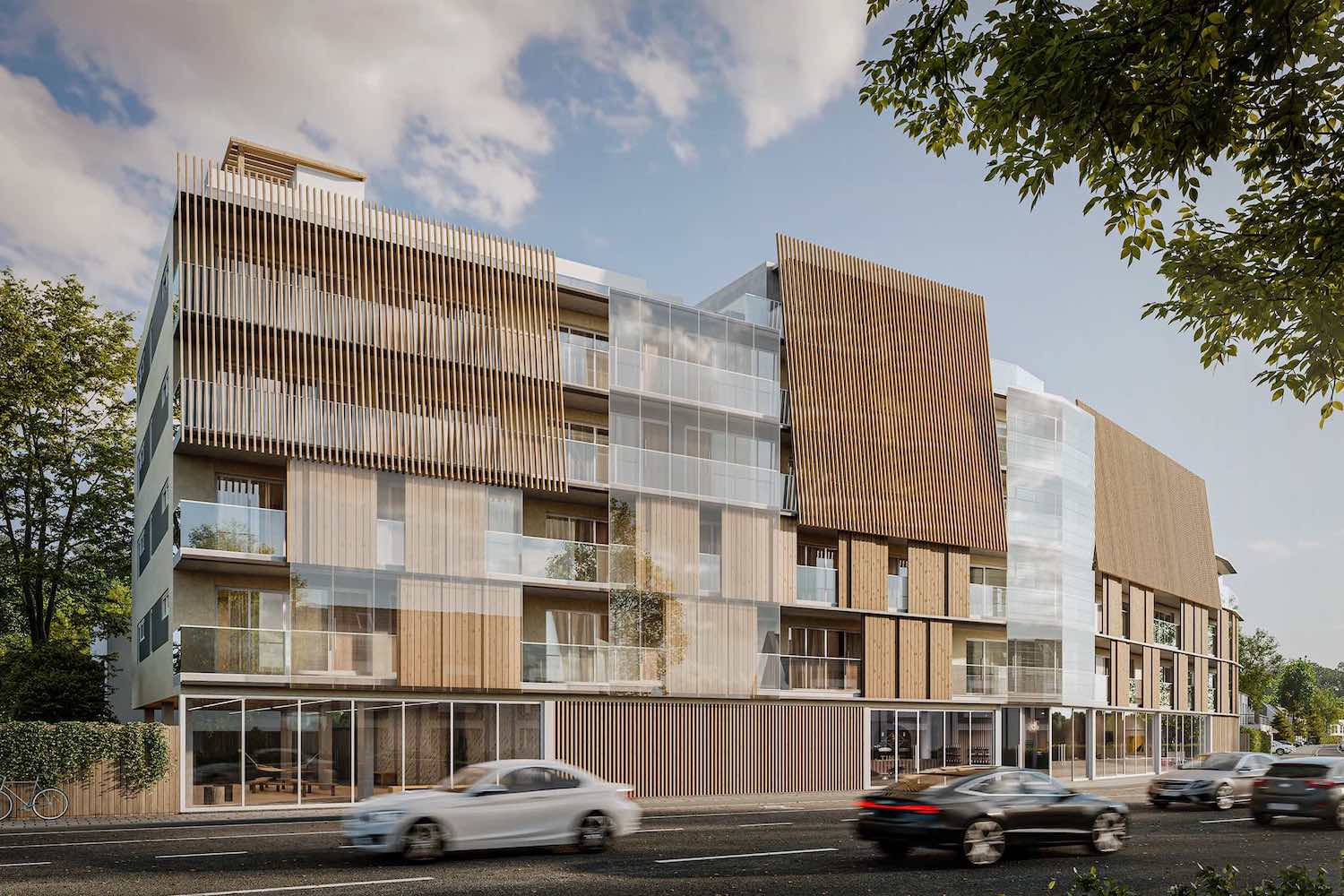
Photorealistic 3D visualization for Stuttgart – renderings, interiors and CGI tours for real estate projects.
3D Visualization Stuttgart
Blue Moon Virtual creates high-quality 3D visualizations for Stuttgart real estate projects from Berlin, with clear remote coordination and a visual language tailored to the local market.
Start Project
BENEFITS
3D visualization Stuttgart: strengths for your project.
Make topography visible
Slopes, height development, access and outdoor spaces are shown in a way plans alone cannot explain.
New build and existing assets
We visualize housing, refurbishment, densification, commercial and office projects with the right tone.
High-quality interiors
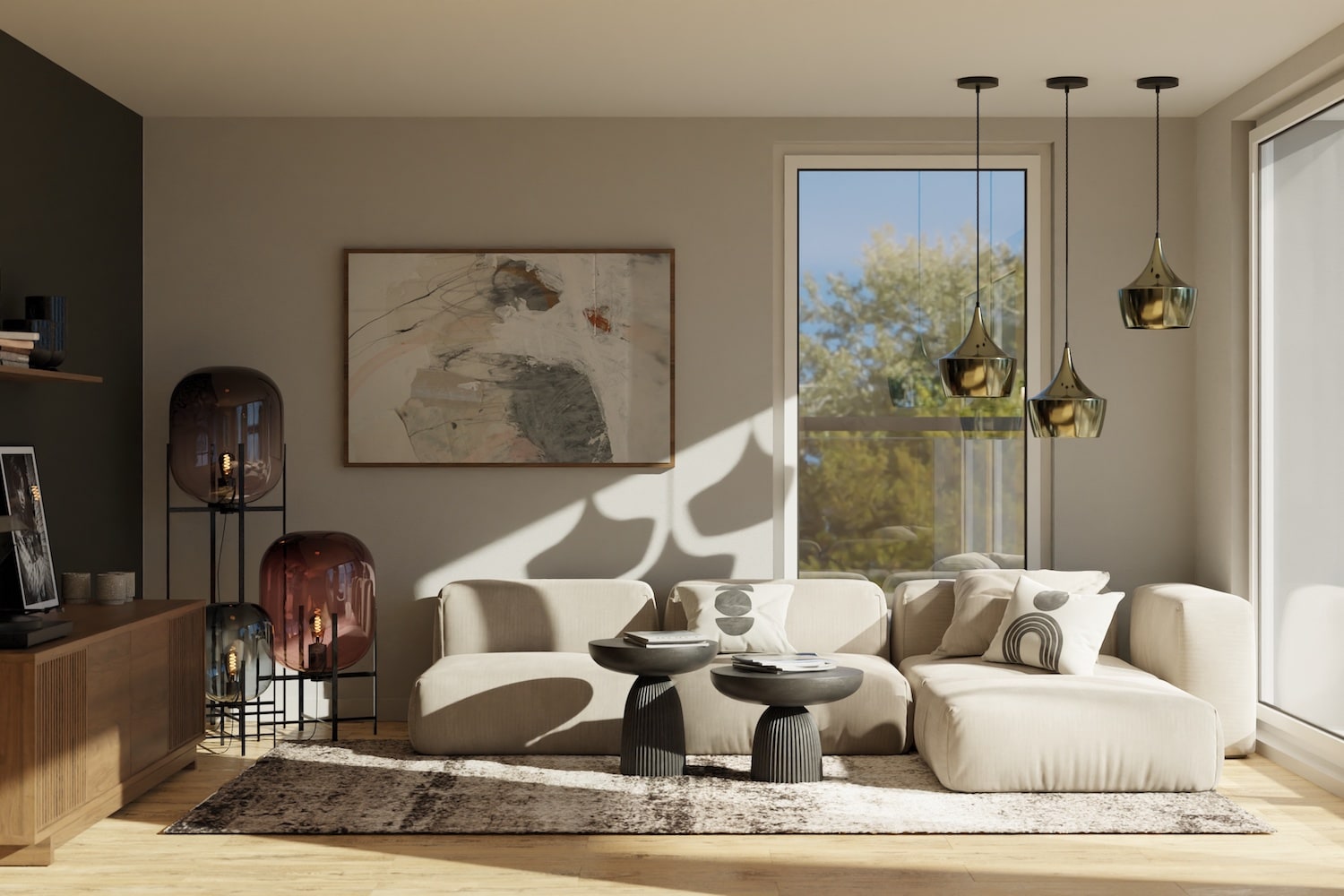
Living and working spaces are shown with realistic materiality, light and furnishing.
Clear remote coordination
From Berlin, we use structured processes and include local references deliberately.
Sales and committees
Emotional marketing images and factual coordination images can be part of one consistent set.
Expandable media
Renderings can be extended with 3D floor plans, animations, CGI tours or virtual staging.
Stuttgart is a distinct real estate market with its own planning topics, buyer expectations and architectural context. A strong 3D visualization for Stuttgart has to explain more than form. It needs to show materiality, daylight, outdoor space, circulation, furnishing potential and the relationship between the building and its surroundings before photography or a show unit are available.
We create exterior renderings, interior visualizations, 3D floor plans, CGI tours and animations for developers, architects, agents and asset teams working in Stuttgart. Depending on the project, the focus can be residential sales, office leasing, refurbishment, densification, mixed-use communication or investor presentation. The image set is planned around the real decision: a project website needs different views than a permit discussion, a leasing deck or a sales brochure.
We are based in Berlin and do not pretend to operate a local Stuttgart office. Instead, we work with a transparent remote process: structured kickoff, careful review of plans and models, bundled feedback rounds and traceable approvals. Local context is handled through plans, photographs, maps, references and, where useful, on-site information. This keeps production efficient while still respecting the city-specific character of the project.
For marketing, we usually start with the most important hero perspective and then add supporting exterior views, interiors, 3D floor plans, staging variants or a CGI tour. For committees, authorities or neighborhood communication, the visual language can remain more factual and focus on massing, height, material and outdoor space. This creates images that are not just attractive, but useful in sales, planning and alignment.
Stuttgart projects are often shaped by terrain, views and access. That makes visualization more demanding and more valuable. A floor plan rarely explains how a terrace sits in a slope, how access works or how a building fits into its surroundings. We clarify early whether height data, terrain models, photographs or additional references are needed before cameras are locked.
Different image types then serve different tasks. Marketing views can emphasize outlook, atmosphere, materials and outdoor space. Factual views can explain massing, height, access and landscape. For commercial or office projects, user flow, reception and functional areas become part of the visual story.
For Stuttgart, visualizations should be aligned early with sections, terrain and view directions. Topography affects exterior views, interiors, daylight, terraces, access and perceived floor levels. Clear camera positions and reliable height information prevent misunderstandings in marketing and coordination.
Start Project
More information
REFERENCES
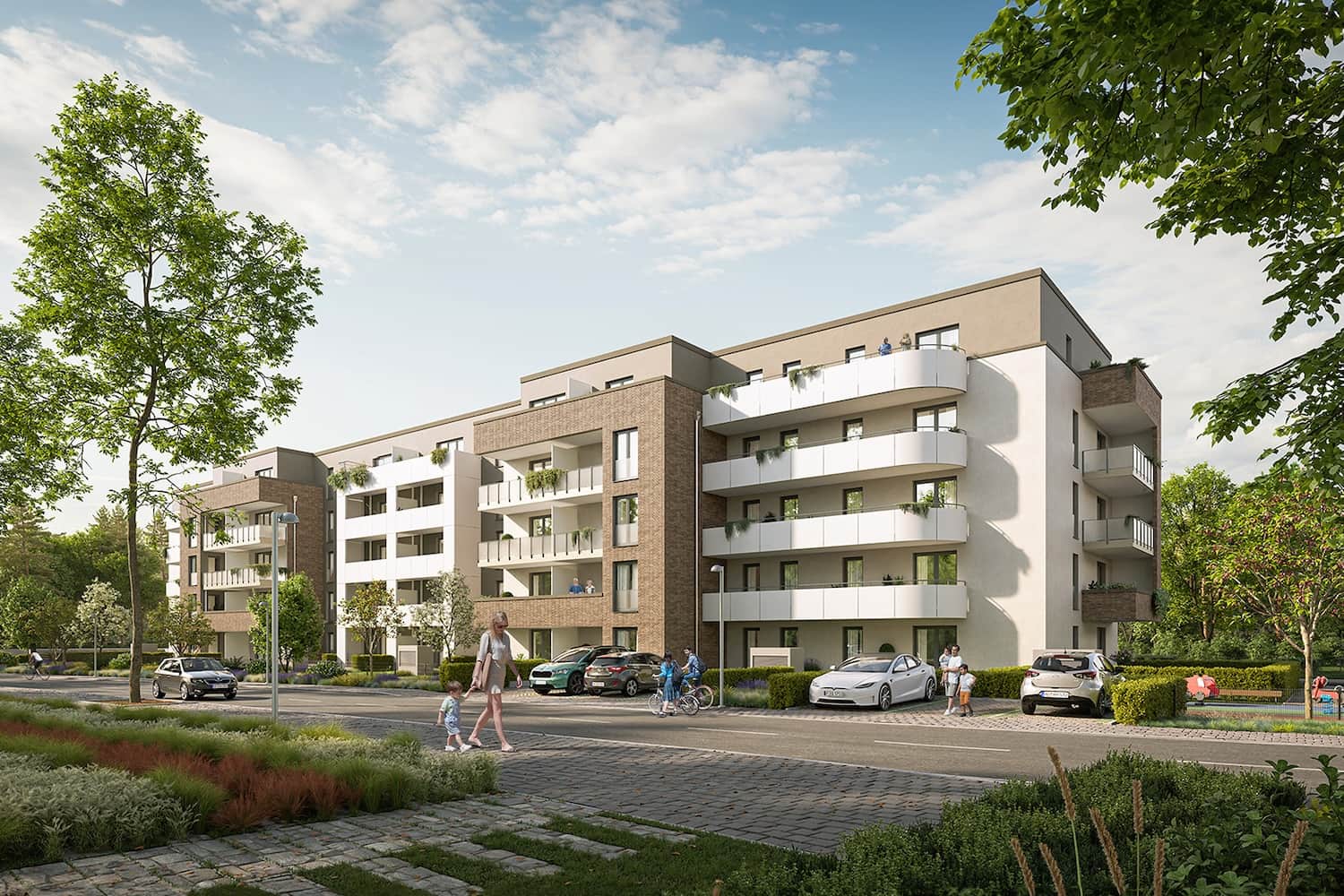
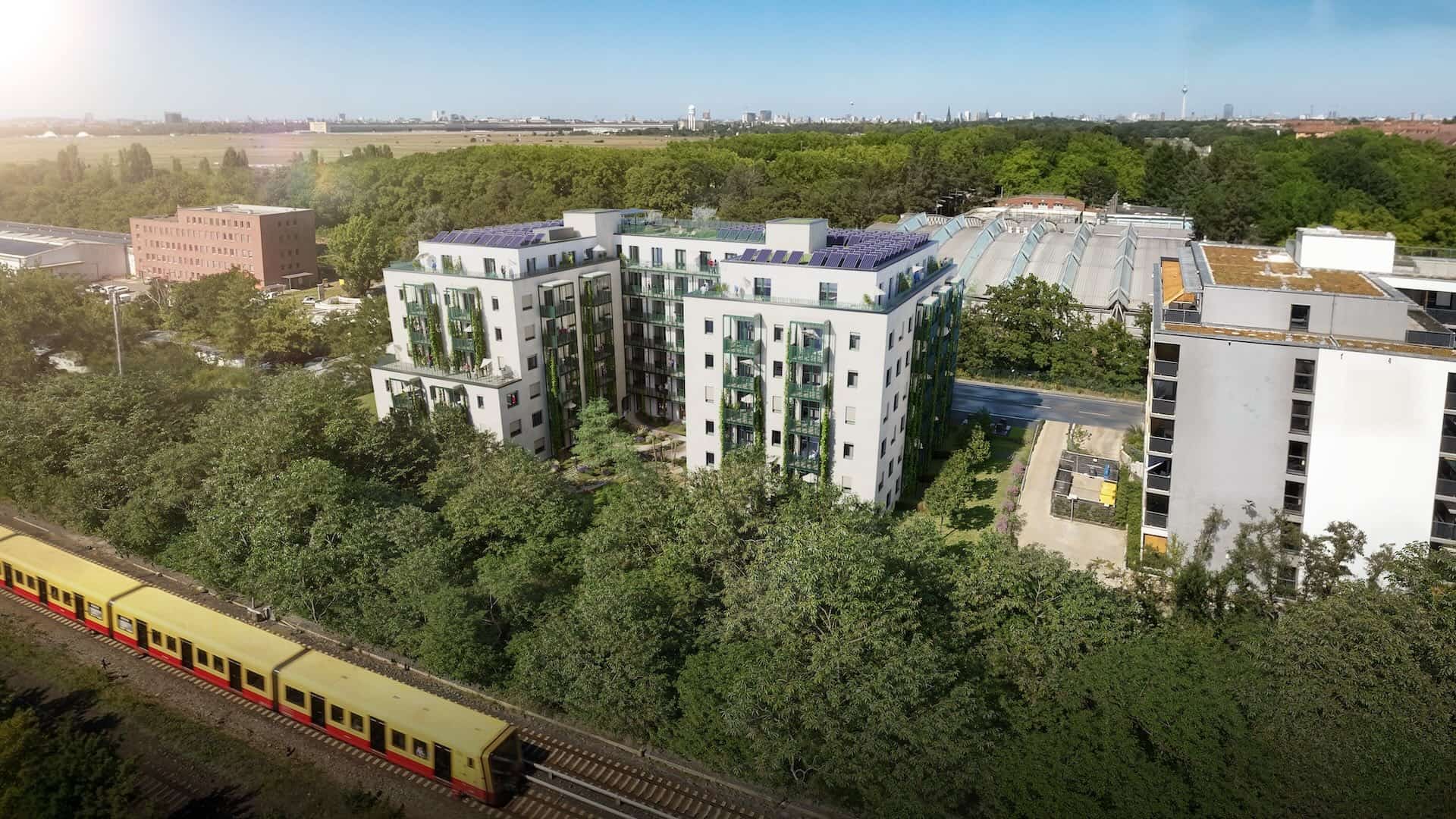
References and visual language for Stuttgart
TESTIMONIALS
Customer Reviews
Trusted by leading real estate companies
"
With Blue Moon, we have found a partner with whom we have built a reliable collaboration. We receive tailored solutions for our marketing requirements, all from one source.
Michael Köppe
Bonava
"
The collaboration with Blue Moon for creating high-quality CGIs for Home & Co is extremely professional and impressive. With their expertise and creativity, they create stunning CGIs.
Enis Bayik
Home & Co
"
At Blue Moon, we feel exceptionally valued as customers. We would particularly like to highlight the quick implementation in realizing our renderings and the first-class customer service.
Dennis Hildebrand
REINVESTA


FAQ
Frequently asked questions about 3D visualization Stuttgart
How much does 3D visualization in Stuttgart cost?
+
How long does a rendering for Stuttgart take?
+
Do you work with Stuttgart developers and architects?
+
Why choose a Berlin-based agency for Stuttgart?
+
Which visualizations are useful for Stuttgart real estate marketing?
+
Can you visualize existing buildings in Stuttgart?
+
Can the images support approvals or stakeholder communication in Stuttgart?
+
Which local project types benefit most in Stuttgart?
+
How do you avoid generic city imagery in Stuttgart?
+
Can you create several visual variants in Stuttgart?
+
Are 3D floor plans useful for local sales in Stuttgart?
+
Can CGI tours support leasing or sales in Stuttgart?
+
How do you handle unfinished planning decisions in Stuttgart?
+
Which documents do you need for 3D visualization Stuttgart?
+
OUR SOLUTIONS
How can we help you?
START PROJECT
Order renderings, animations, CGI tours & 3D floor plans here
Start Project
INDIVIDUAL PARTNERSHIPS
Become a partner and receive individual pricing and services
Get in Touch
CREATE RENDERINGS YOURSELF
Create your own visualization with our AI in seconds
Generate Now
BLUE MOON 3D
BERLIN OFFICE KU'DAMM
Kurfürstendamm 208
10719 Berlin
BERLIN OFFICE STEGLITZ
Grunewaldstraße 39B
12165 Berlin
+49 30 233 27927
sales@bm-3d.com
Services
3D VISUALIZATION
CGI TOURS
FLOOR PLANS
VIRTUAL STAGING
3D ANIMATION
Solutions
NEW DEVELOPMENT VISUALIZATION
ARCHITECTURE VISUALIZATION
COMMERCIAL VISUALIZATION
OFFICE VISUALIZATION
INTERIOR VISUALIZATION
CREATE 3D FLOOR PLAN
3D VISUALIZATION BERLIN
3D VISUALIZATION HAMBURG
3D VISUALIZATION MUNICH
3D VISUALIZATION FRANKFURT
3D VISUALIZATION COLOGNE
3D VISUALIZATION DUSSELDORF
3D VISUALIZATION STUTTGART
EXTERIOR VISUALIZATION
RESIDENTIAL VISUALIZATION
3D VISUALIZATION EXISTING BUILDING
Company
ABOUT US
BLOG
GUIDES
PARTNERSHIPS
LEGAL NOTICE
PRIVACY POLICY
COOKIE PREFERENCES
Social
INSTAGRAM
LINKEDIN
BLUE MOON 3D
DE
/
EN
Contact
Start Project
NAVIGATION
SERVICES
→
COMPANY
→
BLUE MOON AI
CONTACT
CORE SERVICES
CGI TOURS
Enable customers to enter your property without personal viewings. We use modern 3D technology to create virtual CGI tours directly from your floor plan.
→ Learn More
QUICK LINKS
3D Visualizations
CGI Tours
Become Partner
About Us
Contact
Blue Moon AI